During the Webwinkel Vakdagen, it became clear how broad and deep this development now goes. From B2C to B2B, from marketplaces to physical retail, from data to experience. In lectures and round tables, pioneers spoke openly about their successes, dilemmas and choices.
Relevance over reach
According to Madée Reinerink of Friday Digital Agency, the core of omnichannel lies not in being visible everywhere, but in being relevant. "The essence of a good omnichannel strategy is balance. You don't have to tell the same message everywhere. Channels need to reinforce each other and appeal to the target audience at the right time and through the right channel."
That very nuance proves difficult for many organizations. New channels follow each other rapidly and the temptation is great to be active everywhere at once. "We see WhatsApp coming back more and more," Madée explains. "Think of car garages reminding you about an APK via WhatsApp. That works well, as long as it stays relevant. Too much sales is counterproductive."
According to her, many companies make the same mistake. "Wanting to do everything at once. Start with one channel, get the basics right and build from there."
"The essence of a good omnichannel strategy is balance. You don't have to tell the same message everywhere."
- Madée Reinerink, Friday Digital Agency
Omnichannel in practice
A strong example of relevance in action is Uitgekookt. "They cleverly deploy their app, email, website and text messaging and use data to communicate in a truly personal way," says Madée. "If your favorite meal is available again, you hear about it. That feels like service, not marketing."
The key, she says, lies in data. Not more data, but better data. "We work with Deployteq so that all customer data comes together in one place. Only then can you make channels really connect well."
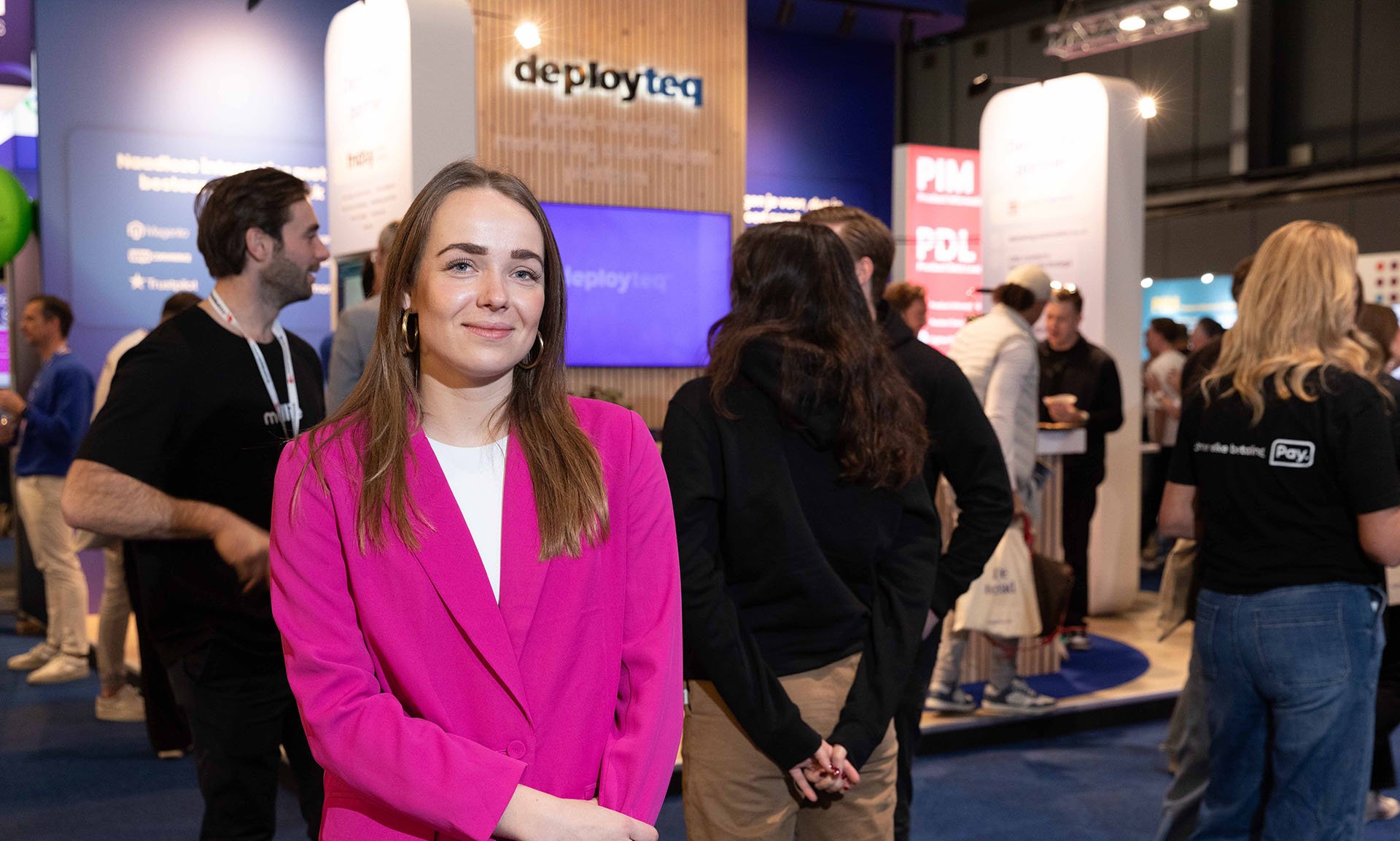
Personalization is indispensable in this, but requires finesse. "Look at previous interactions, tone of voice and engagement. When personalization is based on behavior and context, it feels natural and not intrusive."
For entrepreneurs and Web store owners still at the beginning, her advice is clear. "Start with marketing automation, for example with automated e-mail campaigns. With that, you lay the foundation. From there you can grow into a mature omnichannel strategy that contributes to higher sales and more loyal customers."
Omnichannel grows in B2B
Whereas omnichannel was long seen as a typical B2C theme, it is now rapidly gaining ground in B2B. According to Laurent Lamont of Alistor, this is a logical development. "In the past, a B2B environment had to be primarily functional. The experience was secondary. But as a company, you're also a consumer. You just take those expectations with you."
B2B platforms are therefore shifting from purely practical to intuitive and user-friendly. "A good omnichannel strategy is impossible without it" Laurent states. "You have to be present everywhere. If you're not there, your competitor is." A key focus is the product experience. "We put a lot of effort into the search function. What product do you show first, something someone has bought before or something new? That kind of choice makes all the difference."
Trends that companies shouldn't miss are obvious. "Anything to do with AI plays a big role. In addition, UX and design. How do you make sure a product is in the shopping cart faster? In B2B, such a journey is extra complex because of discount groups and price agreements."
Data as the foundation
At Alistor, omnichannel always starts with the basics. "We build on existing product information and enrich the PIM system." That approach is always done together with the client. "We start with strategy. What are the goals? Then we look at online sales, unique visitors, shopping baskets and abandoned baskets, among other things." Companies that apply omnichannel really well continue to invest. "They continue to work on the flow of innovation every year. With marketplaces, e-commerce, native apps and PIM systems, you make the whole omnichannel world seamless."
 Soon you won’t have to search for products, the system will think along with you."
- Laurent Lamont, Alistor
The future is heavily driven by AI, according to Laurent. "It's going to automate even further. Eventually it's moving toward a single channel. It will be agent-driven, per query. Soon you won't have to search for products, the system thinks with you."
HEMA and Marktplaats, an unexpected match
That omnichannel also offers great opportunities outside its own channels became clear in the joint lecture by HEMA and Marktplaats. Two seemingly completely different worlds, but in practice a strong match. "It doesn't have to be complex - dare to test it, as long as you don't try it you don't know how it's going to turn out." says Tommy de Geus, New Business Manager at Marktplaats.
Marktplaats has long since ceased to be just a platform for secondhand products. With over 4 billion searches, it is a channel with enormous buying intent. From toys and baby items to seasonal products such as swimwear or rainwear. For HEMA, this fits perfectly with its wide range of around 15,000 products.
In a playing field with competitors like Bol, Wehkamp, Shein and Temu, visibility is crucial. Through Marktplaats, HEMA reaches an audience that is already actively searching.
The collaboration is fully automated through an API link and Channable. The algorithm ensures that products are visible at the right time and in the right place. This translates directly into results. Data also plays a central role here. Through market monitor insights, for example, HEMA saw that search traffic for a Miffy disco ball exploded. The product was sold out, but other Miffy items were able to benefit as a result.
Let's talk Omnichannel
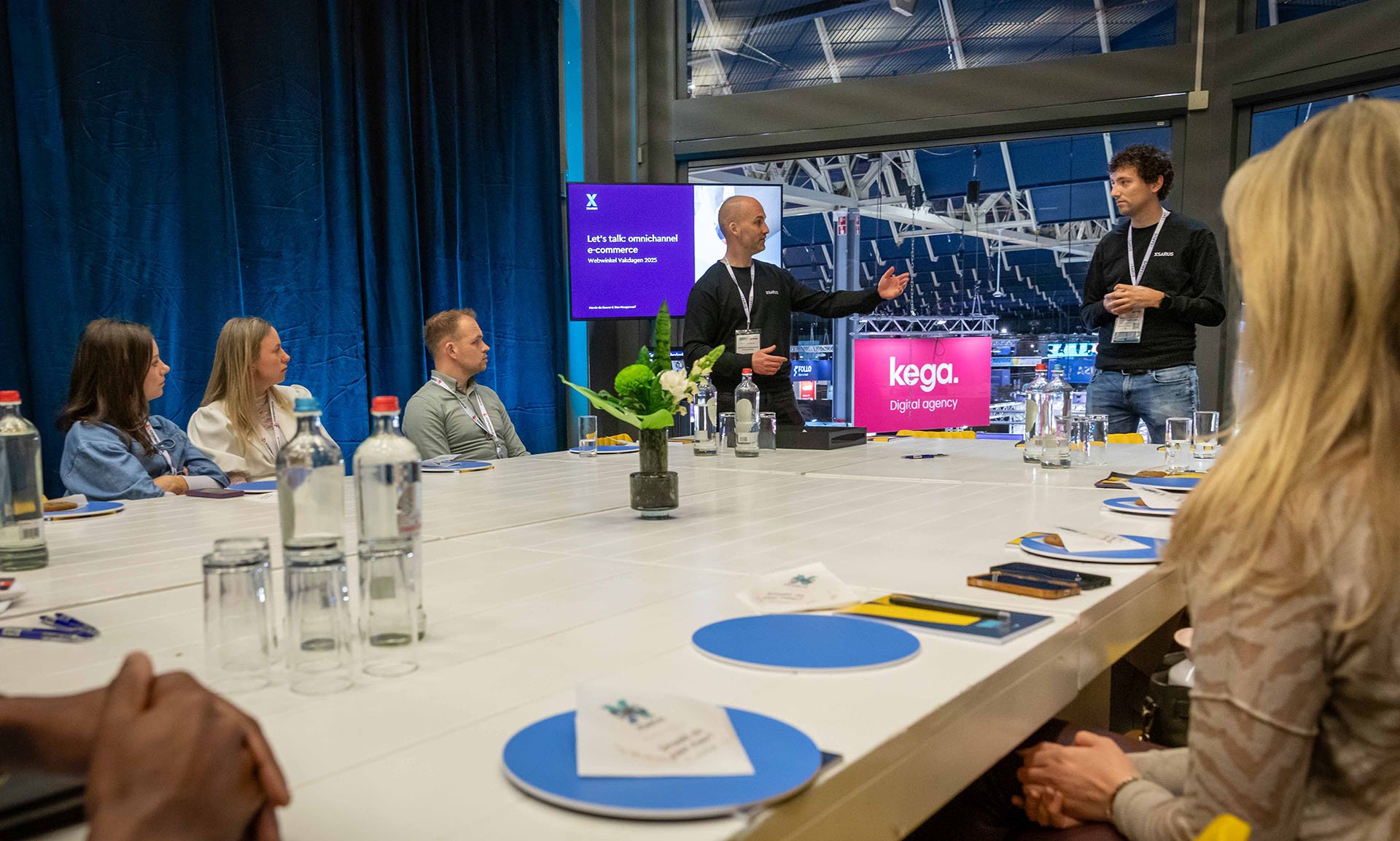
During the round table Let's talk omnichannel e commerce, organized by Marvin de Reuver and Stan Hoogerwerf of Xsarus, these themes came together. At the table were professionals from Kwantum, Welkoop and Kaas.nl, among others.

The conclusion was unanimous. Retail will be largely digital within ten years, but physical stores remain crucial for experience and advice. Discovery increasingly starts online, but the experience does not have to be identical. However, service and brand feeling must remain recognizable. Loyalty, data and branding emerged emphatically. In a world where platforms are forwarding less and less traffic, everything you can influence yourself becomes more important. Your own channels, your story and your relationship with the customer.
The core of omnichannel
Omnichannel is not about being present on as many channels as possible, but about making conscious choices. Companies that smartly connect their data, technology and channels create relevance at the right time. This requires focus, continuous investment and daring to test. Omnichannel is not a sprint but a growth model. And those who see omnichannel as an ongoing strategy and not as a one-off project, build sustainable growth and stronger customer relationships. Do you also want to grow and extract your potential from omnichannel? Claim your free ticket and join Webwinkel Vakdagen 2026. Connect with tool and technology providers and get inspired by the strategies of peers and pioneers.


